Weekly Reflections
05/04/2026
2 min read
Weekly Reflections
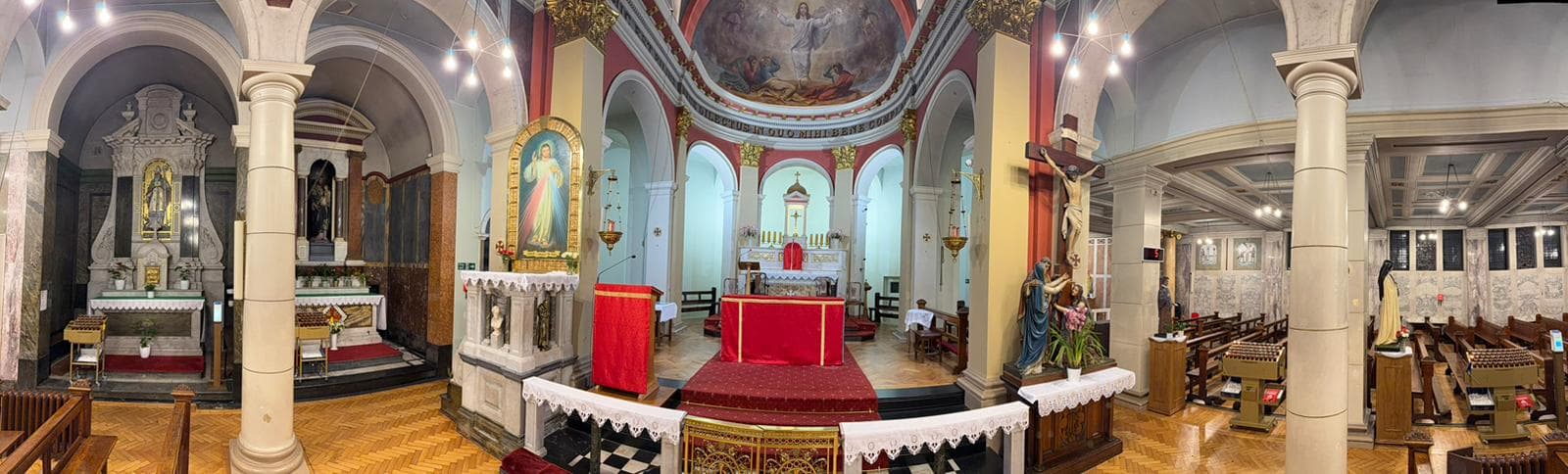
The 5th Sunday of Lent heralds the start of Passiontide. It marks the final two weeks of the Lenten Season, beginning today on what is called Passion Sunday and ending on Holy Saturday. The term is rooted in the Latin word passio, which signifies suffering. Passiontide is a solemn, intense period in which the faithful are asked to focus on the suffering, passion and death of Jesus and is important preparation for the solemnities of Holy Week. This deep internalisation of the Passion is marked in our church by the veiling of crosses and images in violet cloth. The coverings symbolise ‘fasting of the eyes’, a withdrawal from the liveliness of the world around us, to look within ourselves and reflect on the sorrowful nature of these two weeks in the liturgical year. The coverings also remind us that at the time of the Passion the divine nature of Jesus was hidden from the world. From Gethsemane to the crucifixion Jesus did not cease to be divine, but voluntarily "veiled" or concealed His divine glory and power, allowing His humanity to fully experience suffering and death to become a perfect sacrifice for our sins to be redeemed.
The tradition of covering statues in Lent is thought to have originated in the Eastern and Syrian churches in the 10th century. Some churches went further. For example, it was picked up and extended in the German medieval states, in a practice called the Hunger Cloth (Fastentuch) This was a large, purple textile that was hung up during Passiontide to cover the altar or chancel. It marked a period of fasting and meditation and again, symbolised the hidden divine nature of Christ during the Passion. It was a symbol of visual penance and longing. While the cloth separated the congregation from the altar, they were often richly decorated with scenes from the Gospels. No matter then how hidden statues and the altar might be from the people, the mystery and story of the Passion still reached out to the faithful.
Our focus now shifts to Christ’s journey to Calvary and we mark this by special adherence to the Stations of the Cross at this time and reflections on the Passion narrative. The crucifixion completed the work of redemption the Father gave him, marking the end of the old covenant and inauguration of the new: one of love, mercy and compassion.
As summer draws to its close and our children begin new school terms, we welcome parishioners back from their holidays. This Jubilee Year of Hope encourages us to renew our trust in God's creation, deepen our spiritual journeys and work for peace and reconciliation. The church's celebrations in September, which include the important feast of the Exaltation of the Holy Cross, encourage us to find new joy and purpose in our pilgrim journey.
The Sacred Heart of Our Lady, often referred to as the Immaculate Heart of Mary, celebrates the interior life of the Blessed Virgin. This devotion encompasses her purity, her particular love for God and for Jesus, and her compassion for humanity, interceding for all who seek her help and guidance.
July 3rd was the feast day of St Thomas the Apostle. As July opens and the Feast of the Sacred Heart brought June to a close, we look at the nature and constancy of our faith. St Thomas's natural disbelief that Christ had risen from the tomb is an example of the inner turmoil in our hearts as and when we face challenging times.